Source Boiler Automatic Filling Valve for HVAC, Industrial, and Household Use
Find and compare 30 boiler automatic filling valve options from verified Chinese manufacturers. Evaluate brass and stainless steel models with varying pressure ratings, thread standards, and customization capabilities to match your specific HVAC, industrial, or household application needs.
Key considerations
Products List




Comprehensive Sourcing Guide
Boiler Automatic Filling Valve Sourcing Guide
Selecting the correct automatic filling valve for a boiler system requires a careful balance of technical precision, regulatory compliance, and commercial reliability. These components are critical for maintaining safe operating pressures and preventing dry-firing incidents in both residential and industrial heating setups. Buyers must navigate a market that offers a wide variety of materials, pressure ratings, and actuation methods, ranging from simple manual adjustments to complex electric or hydraulic systems. Understanding the specific operational environment is the first step in narrowing down the vast array of available products to those that truly fit the system’s requirements.
The procurement process for these valves involves more than just comparing unit prices; it requires a deep dive into material compatibility, thread standards, and long-term durability. Factors such as media temperature, pressure fluctuations, and the physical space available for installation significantly influence the final selection. By focusing on verified specifications and established supplier capabilities, procurement teams can mitigate the risk of system failure, reduce maintenance costs, and ensure that the heating infrastructure operates efficiently throughout its lifecycle. This guide provides a structured approach to evaluating boiler automatic filling valves based on observed market data and industry best practices.
Product Scope and Observed Listing Signals
The current market for boiler automatic filling valves presents a diverse range of options, with observed price points spanning from $1 to $5,000 USD. This wide variance reflects differences in material quality, such as brass versus stainless steel, and the complexity of the valve’s internal mechanisms. Minimum Order Quantities (MOQs) also vary significantly, ranging from single units for small-scale repairs to bulk orders of up to 5,000 pieces for large industrial projects. Buyers should interpret these ranges as indicators of market segmentation, where low-cost options may serve basic residential needs, while higher-priced items often cater to specialized industrial applications requiring robust construction and advanced features.
Product listings frequently highlight specific design attributes, such as vertical designs with bigger diaphragms or straight-through flow configurations, which are tailored for specific installation constraints. Some suppliers offer customization options, allowing buyers to tailor valves to unique system requirements, while others provide standardized models like the DW-FV001 or AF0520. It is important to note that while some listings mention "high quality hot stamping," this should be treated as an observation of manufacturing technique rather than a guaranteed performance metric. Buyers must verify that the listed product attributes, such as port sizes of 1/2" or 3/4", align precisely with their existing piping infrastructure to avoid costly retrofitting.
Technical Specifications to Verify
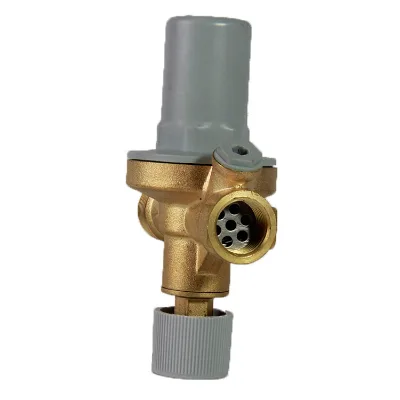
Material selection is a primary technical consideration, with brass and stainless steel being the most commonly observed materials in the market. Brass valves, such as the Adjustable Brass Water Automatic Fill Valve, are often preferred for their corrosion resistance and machinability, particularly in applications involving water media. Stainless steel options, identified by models like J61Y, offer superior strength and resistance to extreme temperatures, making them suitable for more demanding industrial environments. Buyers must confirm the material grade and composition to ensure compatibility with the specific water chemistry and temperature ranges of their boiler systems, as mismatches can lead to premature failure or contamination.
Pressure and temperature ratings are critical parameters that must be strictly verified against the boiler’s operational limits. The market includes valves rated for low, medium, and high-pressure applications, with some designed for normal temperature media and others capable of withstanding high-temperature conditions. Thread standards, such as ISO227 or ISO7/1, and size ranges from DN15 to DN1200, must match the existing system connections to ensure a leak-free seal. Additionally, the actuation method—whether manual, electric, or hydraulic—should be selected based on the level of automation required. For instance, electric actuators offer precise control for automated systems, while hydraulic or manual options may be preferred for simpler, fail-safe designs.
Compliance and Safety Documentation
Regulatory compliance is non-negotiable for boiler components, as they directly impact the safety of the heating system and its users. Buyers should prioritize suppliers who provide recognized certifications such as CE, ISO9000, and EAC, which indicate adherence to international quality and safety standards. These certifications serve as a baseline assurance that the manufacturing processes and product designs have undergone rigorous testing and evaluation. However, buyers must verify the validity and scope of these certifications, ensuring they cover the specific models being purchased and the regions where the equipment will be deployed.
Documentation should also include detailed technical datasheets that outline the valve’s performance characteristics, including pressure relief capabilities and temperature limits. The seal surface type, such as wedge gate valve configurations, and surface treatments like phosphide coating, should be reviewed to assess long-term durability and resistance to wear. Buyers must ensure that the supplier provides clear information on the valve’s usage, which may include flow control, temperature regulation, and safety functions. Without comprehensive documentation, it is difficult to validate the valve’s suitability for critical safety applications, potentially exposing the buyer to liability and operational risks.
Cost Drivers and Commercial Terms
The total cost of ownership for boiler automatic filling valves is influenced by several commercial factors, including supply ability, packaging, and delivery terms. Suppliers with high supply abilities, such as those offering 500,000 pieces per month, may provide better economies of scale for large orders, potentially reducing unit costs. However, buyers must also consider the packaging requirements, which can range from simple carton boxes to more protective ply-wooden cases or hop-pockets, depending on the valve’s fragility and the shipping distance. Proper packaging is essential to prevent damage during transit, which can lead to additional costs and delays.
Delivery lead times and payment terms are also significant cost drivers. Observed delivery times of around 15 days suggest a relatively efficient supply chain, but buyers should confirm these timelines with the supplier, as they can vary based on order volume and customization requirements. The port of dispatch, often Shanghai for Chinese suppliers, can impact shipping costs and insurance premiums. Buyers should negotiate clear commercial terms that include warranties, such as the 1-year warranty observed in some listings, to protect against early failures. Understanding these commercial dynamics allows buyers to make informed decisions that balance upfront costs with long-term reliability.
Supplier Qualification and Quality Control
Evaluating supplier qualification is essential to ensure consistent product quality and reliable after-sales support. Buyers should assess the supplier’s manufacturing capabilities, including their ability to handle customization requests and maintain strict quality control processes. The presence of standardized production methods, such as those indicated by ISO standards, suggests a mature quality management system. However, buyers must go beyond certifications and request evidence of internal quality checks, such as pressure testing and material inspections, to verify that each batch meets the specified standards.
Quality control should also extend to the supplier’s supply chain management. Buyers should inquire about the sourcing of raw materials, such as brass and stainless steel, to ensure they meet the required grades and specifications. The supplier’s ability to provide traceability for each component can be a valuable indicator of their commitment to quality. Additionally, buyers should evaluate the supplier’s responsiveness to technical queries and their willingness to provide samples for testing. A proactive supplier who engages in open communication is more likely to resolve issues quickly and maintain a high level of service throughout the procurement process.
Long-Term Procurement Checks
Long-term procurement success depends on establishing a robust framework for ongoing supplier performance monitoring and product lifecycle management. Buyers should implement regular audits of supplier quality metrics, including defect rates and delivery consistency, to ensure that performance remains stable over time. Tracking the performance of installed valves in the field can provide valuable feedback on durability and reliability, allowing buyers to make data-driven decisions about future purchases. This continuous feedback loop helps identify potential issues early and fosters a collaborative relationship with suppliers focused on continuous improvement.
It is also crucial to stay updated on changes in industry standards and regulations that may affect the suitability of existing valve models. As boiler technology evolves, new requirements for energy efficiency and safety may emerge, necessitating periodic reviews of the procurement strategy. Buyers should maintain a diverse supplier base to mitigate risks associated with single-source dependencies and ensure access to the latest technological advancements. By prioritizing long-term partnerships and strategic sourcing, buyers can secure a reliable supply of high-quality boiler automatic filling valves that support the efficient and safe operation of their heating systems.
FAQs
What is the material of the boiler automatic filling valve?
The valve is constructed from brass, ensuring durability and resistance to corrosion. Some variants may also feature stainless steel components for enhanced performance in specific industrial applications requiring higher strength.
Which certifications does the product hold for international markets?
The product holds EAC, ISO9000, and CE certifications, verifying compliance with international safety and quality standards. These credentials ensure the valve meets regulatory requirements for export to various global regions.
How long is the delivery lead time for orders?
The standard delivery lead time is 15 days from order confirmation. This timeline applies to standard orders, though specific production schedules may vary based on current supply capacity and order volume.
Can the valve be customized for specific pressure requirements?
Customization is available to meet specific pressure and application needs. The valve supports both low and medium pressure ratings, allowing adaptation for different boiler systems and industrial usage scenarios.
What is the maximum monthly supply capacity for this valve?
The supplier can provide up to 500,000 pieces per month. This high capacity ensures reliable fulfillment for large-scale industrial projects and consistent supply for ongoing maintenance needs.
Where is the product manufactured and shipped from?
The product originates from Hubei, China, and is dispatched from the Shanghai port. This location facilitates efficient logistics and shipping to international buyers requiring reliable supply chain management.